No facilities currently closed
https://alamedapost.com/news/thousands-kaiser-employees-now-strike/
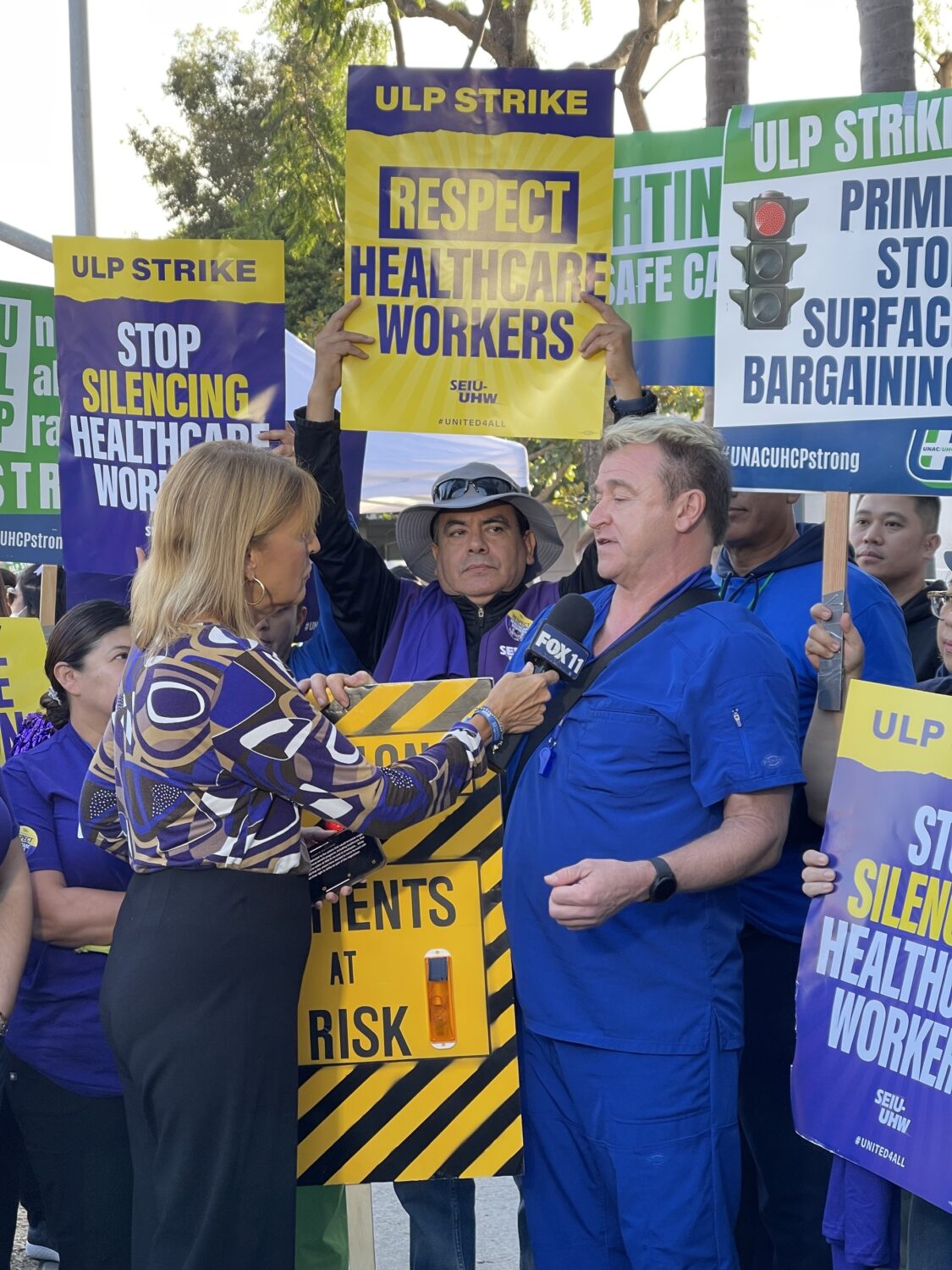
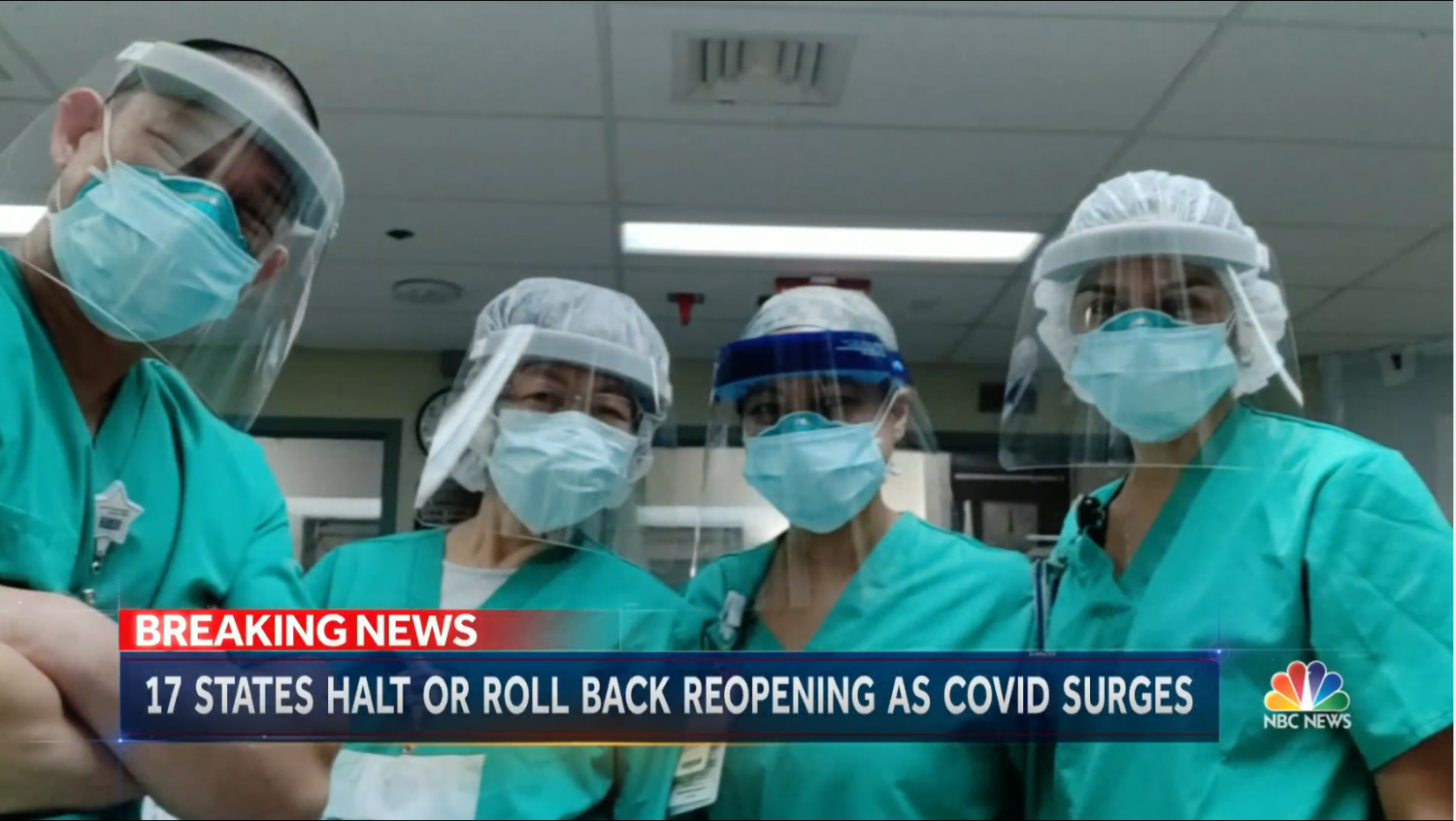
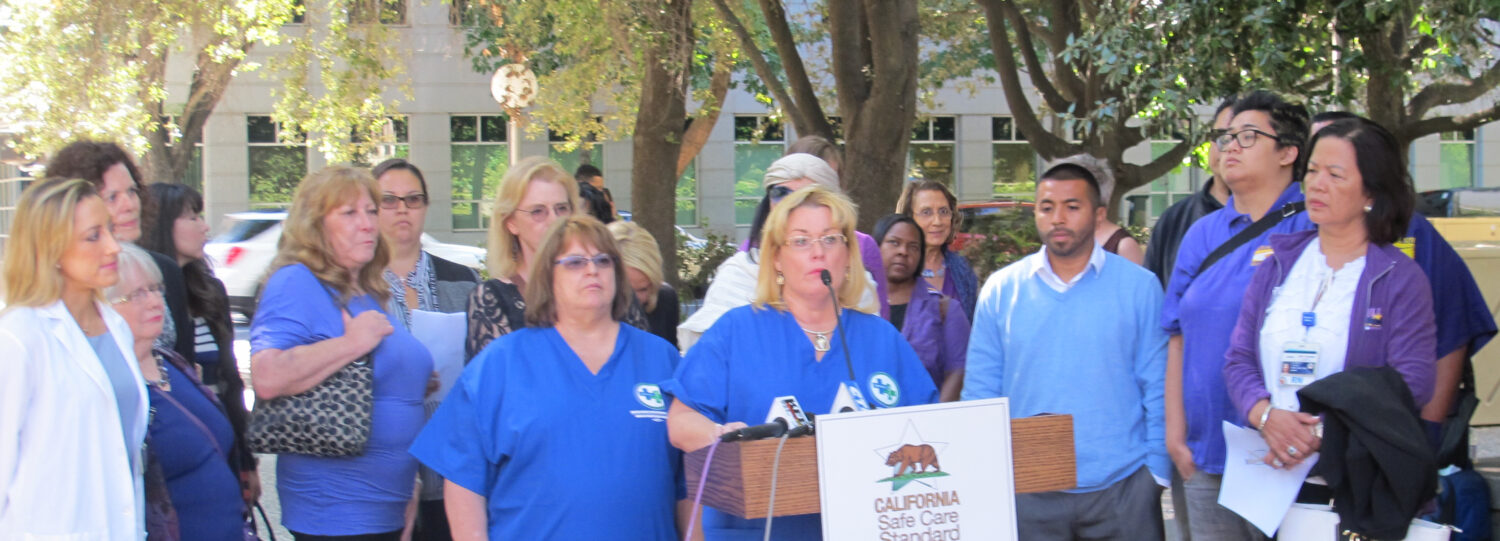
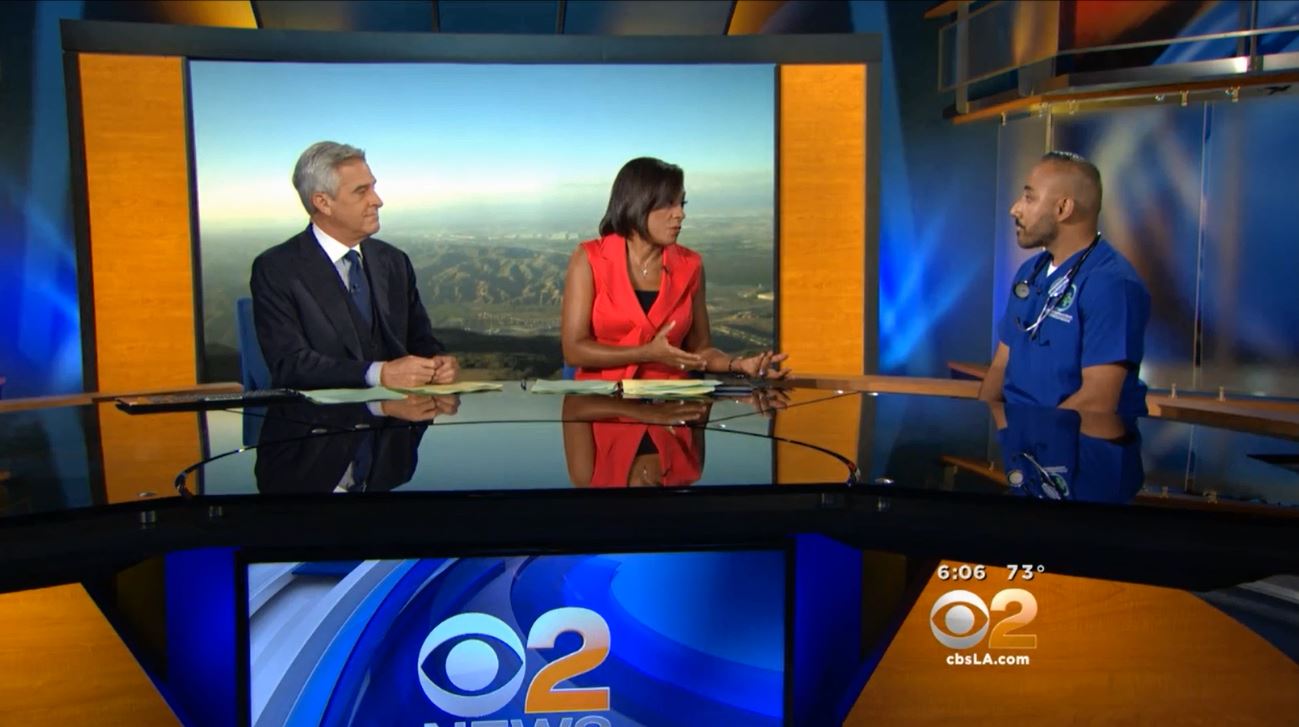
The UNAC/UHCP Press Center helps journalists connect quickly with health care professionals and union leaders who are on the front lines every day. These real stories and voices bring important issues—like patient care, staffing, and workers’ rights—to life for your news audiences.
On deadline? Contact us: press@unacuhcp.org
UNAC/UHCP works to ensure that the voices of frontline healthcare professionals are heard in today’s headlines. From speaking out on patient care and staffing shortages to standing up for equity and workplace rights, our union regularly appears in local and national media. Through statements, interviews, and press events, we bring the lived experiences of our members directly into the public conversation, shaping how healthcare issues are understood and addressed across California, Hawaii, and beyond.
Nurse.org: The Biggest Nurse Strikes in America, Ranked by Impact
Behind the Nurses Strike – UNAC/UHCP member Liz Marlow, RN, on podcast Riverside Rank and File
Kaiser made $9.3 billion last year. Critics say it has strayed from its charitable mission (Behind a Los Angeles Times paywall)
31,000 Nurses and Health Care Workers in Historic Strike at Kaiser Permanente on Jan. 26

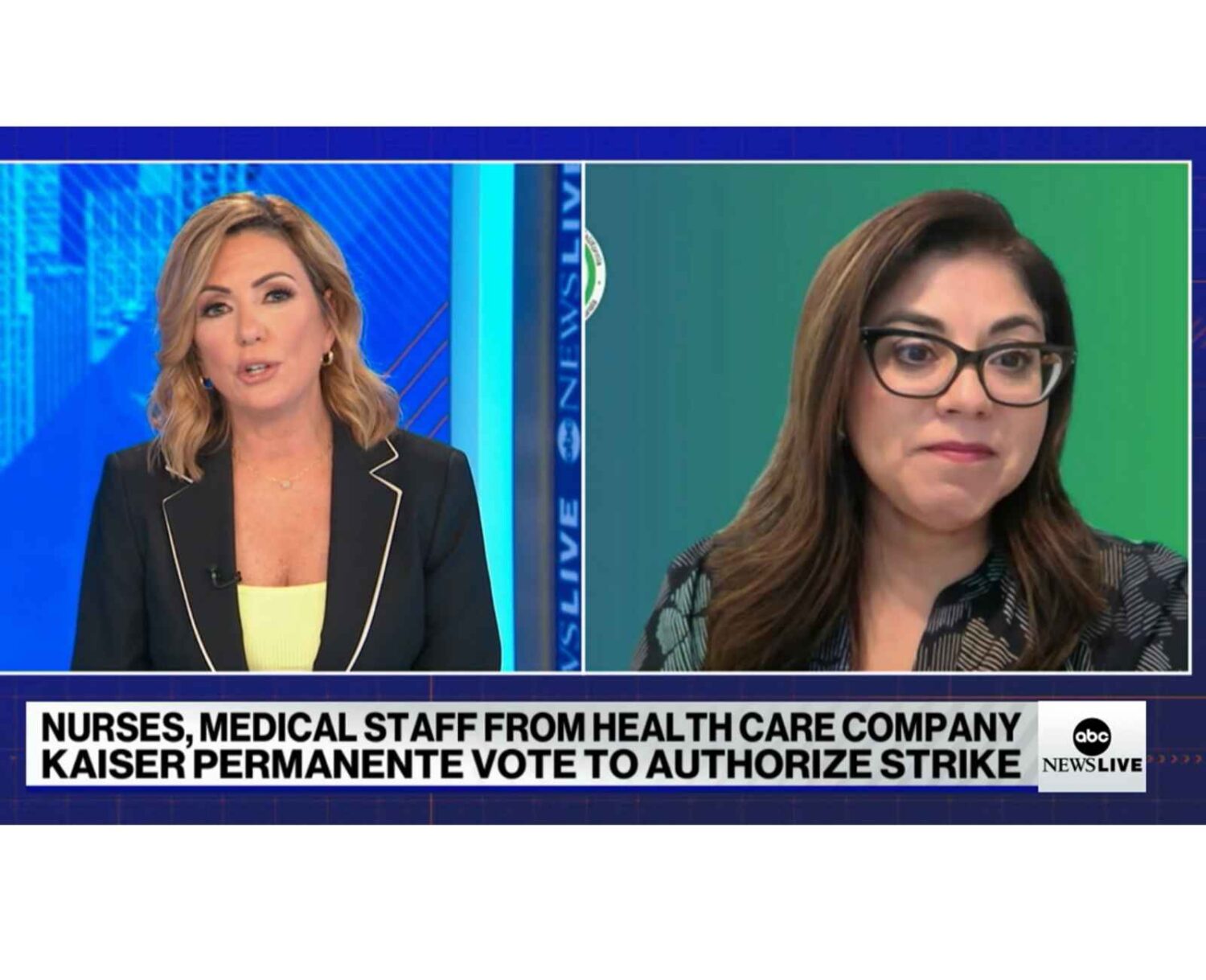
Press Releases
Press Releases
https://www.hawaiinewsnow.com/2026/02/07/congresswoman-joins-striking-kaiser-health-care-workers/
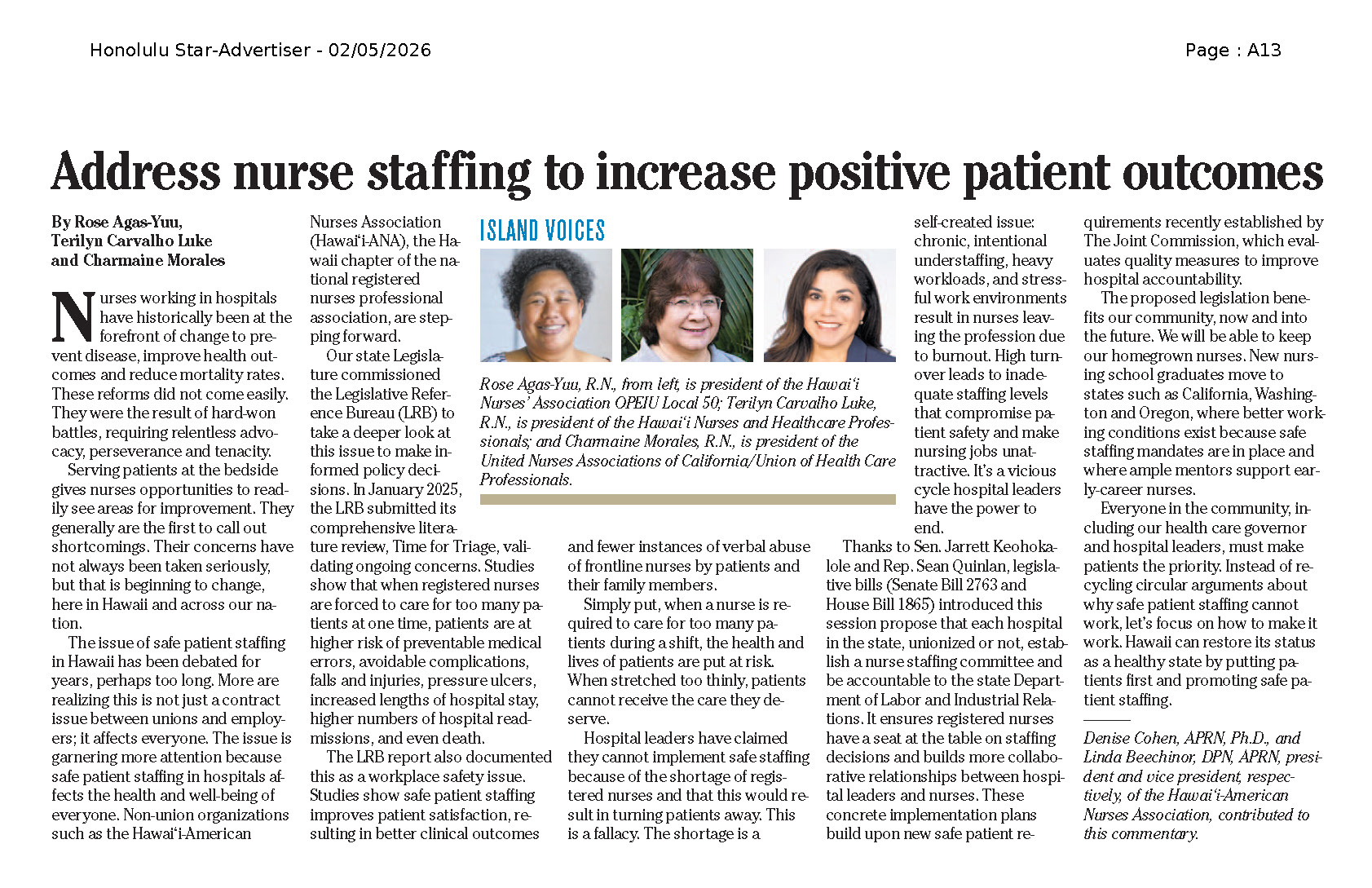
https://abc7.com/post/kaiser-permanente-strike-nurses-enter-2nd-week-staffing-wages/18530682/
Subscription required.
https://capitalandmain.com/on-eve-of-strike-kaiser-nurses-sound-alarm-on-patient-care
https://www.sacbee.com/news/local/health-and-medicine/article314350402.html
https://www.kqed.org/news/12070263/union-of-31000-kaiser-workers-to-go-on-indefinite-strike
https://www.fiercehealthcare.com/providers/kaiser-permanente-strike-31000-union-worker-unacuhcp
Kaiser labor talks stall, raising fears of another strike
Health care workers take part in a strike outside of the Kaiser Permanente Oakland Medical Center on Tuesday, Oct. 14, 2025, in Oakland, Calif. Tens of thousands of frontline Kaiser Permanente registered nurses and health care professionals across California and Hawaii with the United Nurses Associations of California/Union of Health Care Professionals are taking part in the strike. (Aric Crabb/Bay Area News Group)
By Grant Stringer | gstringer@bayareanewsgroup.com | Bay Area News Group
PUBLISHED: December 26, 2025 at 4:00 AM PST | UPDATED: December 26, 2025 at 4:21 AM PST
Talks between Kaiser and a labor union representing health care workers ground to a halt late last week, raising concerns about another strike at California’s largest health care provider.
The union representing 31,000 Kaiser workers statewide — including about 2,000 rehab therapists, physician assistants, nurse anesthetists and others in Northern California — is seeking a new contract with better pay and working conditions. Workers walked off the job in October for a five-day strike, after their contract expired.
Talks between United Nurses Associations of California/Union of Health Care Professionals and the Oakland-based health care giant have broken down amid sharply different accounts of why negotiations stalled.
The union says Kaiser officials unlawfully walked away from negotiations. Kaiser did pause the talks, Elissa Harrington, a spokesperson for Kaiser in the East Bay, confirmed in an email. She said the decision came after an unnamed labor leader went outside formal bargaining channels and threatened to release what Kaiser described as damaging information about the company if an agreement was not reached. Harrington said the union “has refused to share the information it claims to have.”
“This was received as a clear threat to coerce the national bargaining agreement between Kaiser Permanente and the [alliance of health care unions],” Harrington said, referring to the group that negotiates on behalf of UNAC/UHCP and other unions.
Anjetta Thackeray, a spokesperson for the union, flatly denied Kaiser’s account.
“That claim is incorrect, and Kaiser is aware it’s incorrect,” Thackeray said in an email. “There was no blackmail or threat. We’d rather stay focused on what matters: getting to a contract that invests properly in patient care.”
With talks at an impasse, Harrington said Kaiser officials believe the union is planning a new strike. Harrington said Kaiser officials were shown a text circulating among some employees that read: “The goal is to get Kaiser confused so they don’t know how to staff the hospital.”
Asked whether union members planned to walk off the job again, Thackeray said: “As of today, UNAC/UHCP has not served Kaiser with a required 10-day notice to strike,” referencing a requirement of the National Labor Relations Act.
Repeated strikes have worked for Kaiser workers in recent history. In 2023, CalMatters reported that other Kaiser employees won steep raises after walking off the job twice in 12 months.
Two months after the major strike in Oakland, Santa Clara and elsewhere on the West Coast, both the union and Kaiser appear to be offering the same pay proposals that were on the table in October. Kaiser management is still offering a 21.5% wage increase over four years, while the union continues to seek a 25% raise over the same period.
While that gap may appear small, the competing proposals are “billions, not millions” of dollars apart, said John August, who led a coalition of Kaiser Permanente unions from 2006 to 2013 and now heads a Cornell University conflict resolution institute.
Kaiser tends to pay workers better than its competitors, August said, but it is not immune to the understaffing and pay pressures that have characterized U.S. hospitals for decades. The COVID-19 pandemic “ripped the Band-Aid off,” he said, accelerating burnout and departures across the health care workforce.
Kaiser’s proposal would add nearly $2 billion in payroll costs, Harrington said. The union’s proposal would add “another $1 billion in costs over four years, putting affordable health care at risk,” she said.
Union officials counter that Kaiser, the country’s largest private nonprofit health care organization, can afford the increases.
Kaiser Permanente and its affiliated nonprofit, Risant Health, reported $2.6 billion in profits in the third quarter of 2025, following $3.3 billion the previous quarter. The union cites an analysis by the Center for Media and Democracy, a Wisconsin-based nonprofit watchdog, which found that Kaiser holds more than $67 billion in reserves — up $27 billion from four years ago — and spent $72 million on senior executive compensation in 2023.
“They’re not exactly going through tough times,” Joe Guzynski, the union’s executive director and lead negotiator, wrote in a message to members. “All this, while our own members — the people making these profits possible — had to live on salaries that don’t keep pace with the rising cost of living.”
Guzynski and rank-and-file union members say they need significant raises to keep pace with inflation since 2021, along with an expanded pension eligibility, stronger retirement protections and increase staffing levels they say are necessary to safely care for patients.
FOX 5 San Diego: Sharp nurses hold vigil for fair contract, patient care
By: Chris Ponce
SAN DIEGO (FOX 5/KUSI) — As contract negotiations continue, registered nurses held a candlelight vigil Monday at the Sharp HealthCare headquarters to rally for improved working conditions and patient care.
The vigil comes after a three-day strike during Thanksgiving week, several rallies and picketing events. Represented by Sharp Professional Nurses Network (SPNN), the union represents over 5,700 Sharp RNs.
“Today we’re out here continuing our fight for a fair contract,” Sharp RN Nieysha Richard said. “We’re doing this a little differently from our strike, this is not big and loud, this is quiet and solemn but still united.”
Workers were on strike over a sick-leave policy that required full-time RNs to work 10 weeks to earn enough leave for one shift, among pay and patient care. Since the strike, Sharp management said they are offering 70 hours in yearly frontloaded paid sick-leave, with transferable unused hours.
Management and SPNN have yet to reach a contract agreement.
While the holidays are approaching and nurses still attempt to find time with their families, Richard said they still have negotiations “looming over our heads.”
During their vigil, RNs displayed a virtual banner that read “Shame” underneath the Sharp logo in the same font.
Sharp management said they stand by their offer and hopes to see an agreement reached soon. A spokesperson for Sharp shared a statement to FOX 5/KUSI regarding their proposal:
“Sharp stands by the strength of its offer to UNAC, the union which represents our bargaining unit nurses. The proposal includes significant enhancements to our paid sick leave and retiree health benefits. It also provides pay increases for our nurses – who currently earn $77 per hour on average – of at least 16.25% over four years. This offer reflects our commitment to provide fair and equitable compensation to our nurses, and our responsibility to maintain a financially viable health system for our community.”
SPNN believes that this proposal establishes banded wages for staff, lowering current base wages depending on experience levels. The union said they want to reach a contract that will improve pay structure and increase benefits.
“We’re the ones who make Sharp, Sharp,” Richard said. “When people say go to Sharp it’s not because the administration is so great, it’s because the staff, nurses are amazing.”
RNs weren’t the only workers on the picket line, more than 127 other health care professionals joined SPNN in their strike and rallies.
Kimberly Vu, a staff pharmacist at Sharp Chula Vista, said she joined RNs Monday night to represent these workers.
“Our voices cannot be ignored,” Vu said. “We want to fight for our very first contract for fair wages and benefits to keep our quality staff here at Chula Vista and for patient care as well.”
Vu said this dispute has been ongoing for almost eighteen months, and it has been a struggle attempting to achieve their first contract. Vu added this won’t stop them from providing care for patients and fighting for their contract.
San Diego is one of the most expensive cities in the country, according to U.S. News & World Report. Vu said health care professionals face crushing debt and their wages don’t match the price of living in San Diego.
“I think Sharp needs to recognize that they need to step up and take care of our staff,” Vu said.
Strike by Kaiser Permanente Workers Is About More Than Money
https://timesofsandiego.com/health/2025/10/18/strike-by-kaiser-permanente-workers-is-about-more-than-money/
Kaiser Strike Ends Sunday as Union and Management Plan to Resume Wage Talks:
https://www.kqed.org/news/12060288/kaiser-strike-ends-sunday-as-union-and-management-plan-to-resume-wage-talks
As Kaiser Workers Strike, ‘Not-for-Profit’ Is Sitting on $67 Billion
https://prospect.org/labor/2025-10-18-kaiser-workers-strike-not-for-profit-sitting-on-67-billion/
Fontana Kaiser Workers Strike Over Patient Care, Staffing in Historic Nationwide Healthcare Walkout
https://iecn.com/fontana-kaiser-workers-strike-over-patient-care-staffing/
AP News –
31,000 Kaiser Permanente nurses and other health care workers strike for better wages and staffing
SAN FRANCISCO (AP) — An estimated 31,000 registered nurses and other front-line Kaiser Permanente health care workers went on strike Tuesday to demand better wages and staffing from the California-based health care giant.
Organizers say the five-day strike across 500 medical centers and offices in California, Hawaii and Oregon is the largest in the 50-year history of the United Nurses Associations of California/Union of Health Care Professionals. The strike could grow to include 46,000 people.
Those on strike, including pharmacists, midwives and rehab therapists, say wages have not kept pace with inflation and there is not enough staffing to keep up with patient demand.
They are asking for a 25% wage increase over four years to make up for wages they say are at least 7% behind their peers.
Kaiser Permanente has countered with a 21.5% increase over four years. The company says that represented employees earn, on average, 16% more than their peers, and it would have to charge customers more to meet strikers’ pay demand.
The company said health clinics and hospitals will remain open during the strike, with some in-person appointments shifted to virtual appointments, and some elective surgeries and procedures being rescheduled.
Kaiser Permanente is one of the nation’s largest not-for-profit health plans, serving 12.6 million members at 600 medical offices and 40 hospitals in largely western U.S. states. It is based in Oakland, California.
Healthcare Dive –
31,000 Kaiser Permanente workers begin strike in Northern California, Hawaii
The union that represents the workers says the five-day strike is the largest in its history.
Thirty-one thousand registered nurses and other frontline workers launched a five-day strike at Kaiser Permanente facilities in California and Hawaii Tuesday morning, following months of what they claim have been protracted and fruitless labor contract negotiations with management.
That number could swell to 46,000 by the end of the strike if other workers join the picket line, the workers’ union, the United Nurses Associations of California/Union of Health Care Professionals, said Monday.
The strike is set to last until Sunday. The UNAC/UHCP says it’s the largest strike in the union’s history.
Kaiser facilities will remain open during the strike, though some appointments may be shifted to virtual care or be rescheduled, according to a company spokesperson. The health system will also reassign more than 1,000 employees to strike locations and bring on up to 7,600 temporary contract professionals to maintain services.
Kaiser and the union representatives have been negotiating new labor contract terms since May. Despite holding over 900 local bargaining sessions and reaching agreements with about a third of local bargaining teams, Kaiser said the health system has failed to reach an agreement with union leadership about new terms.
“We’ve enhanced proposals, initiated mediation, and extended bargaining,” said a Kaiser spokesperson. Still, “At the heart of this negotiation is a dispute about wages.”
The employees — which include registered nurses, pharmacists, physician assistants, rehab therapists, speech language pathologists and other specialty care providers — say they are underpaid and Kaiser’s proposed raises are inadequate in the face of inflation and rising costs of living. The union also says Kaiser has failed to appropriately staff facilities to meet patient needs.
The union argues that Kaiser has the funds to increase frontline workers’ pay and staffing, pointing to both the $66 billion Kaiser holds in reserves as well as Kaiser’s expansion projects through Risant Health and Kaiser Permanente Nevada. The system has poured funds into both ventures, including up to $5 billion into its initial investment in Risant Health last year.
Meanwhile, a spokesperson for Kaiser denounced the strike as “unnecessary and disruptive” in a statement Monday evening.
Union-represented employees already earn more than healthcare workers in similar roles across the country, according to the health system. Kaiser’s latest offer would further increase pay by 21.5% over the four-year contract, costing Kaiser nearly $2 billion more in payroll expenses by 2029. The system has also offered enhanced retirement benefits and medical plans.
However, the union is seeking a 25% increase in pay, according to Kaiser. That’s a hike the health system calls “out of step with today’s economic realities and rising health care costs.” Kaiser said it is already spending $6.3 billion on payroll at a time when operating margins are razor thin.
The health system has said it feels financially squeezed. In August, the health system reported it would reduce discretionary spending to offset headwinds, including higher-than-expected utilization in its health plan and heightened care costs related to high acuity cases.
“Anything beyond 21.5% will require us to further increase rates for our members and customers, at a time when health care costs are increasingly unaffordable and many are having to make the difficult choice to go without coverage,” Kaiser said Monday.
The union refuted this narrative Tuesday morning, noting Kaiser has consistently increased its insurance rates for members, regardless of contracts with workers.
Strikes are becoming a familiar story for Kaiser. The California-based operator has weathered multiple work stoppages in recent years, including a 10-week strike of 2,000 mental health workers in 2022, a three-day strike of more than 75,000 workers in 2023, a six-month strike of 2,400 mental health workers strike earlier this year and a small 600 worker strike last month.
Kaiser’s own novel labor relations model — and past successes working with unions — can help explain some of its current strike activity, experts and workers say.
Becker’s Hospital Review –
Tens of thousands of Kaiser workers to begin strike: 7 things to know
By Kelly Gooch
Tens of thousands of Kaiser Permanente workers across multiple states are set for a five-day strike Oct. 14.
Seven things to know:
The strike involves several member locals of the Alliance of Health Care Unions, a federation of 23 union locals representing 62,000 employees. A spokesperson for Oakland, Calif.-based Kaiser told Becker’s that about 43,000 workers represented by unions currently in negotiations are eligible to participate in the strike.
Members of the Oregon Federation of Nurses and Health Professionals and United Nurses Associations of California/Union of Health Care Professionals are among those expected to strike. OFNHP anticipates about 4,000 of its members to strike at Kaiser facilities in Oregon and southwest Washington. UNAC/UHCP anticipates 31,000 of its members to strike at Kaiser facilities across California and Hawaii.
The strike comes as Kaiser has been negotiating with the alliance for a new labor contract since May. Contracts for alliance members expired Sept. 30 or Oct. 1.
In a statement shared with Becker’s, Kaiser said its latest offer increases union members’ “already above-market wages by an additional 21.5% over the four-year contract. The offer also enhances employees’ high-value medical plans and retiree benefits.”
Union members contend that during negotiations, Kaiser failed to address their concerns regarding issues such as staffing and pay and benefits. “What we’ve asked for are real solutions to the staffing crisis, fair wages that let workers stay in our communities and a voice in how care is delivered. Kaiser’s response has been to delay and disregard,” OFNHP President Sarina Roher, RN, said in a news release shared with Becker’s.
Kaiser said hospitals and medical offices will remain open during the strike. However, for some cases, it is shifting appointments to virtual care (phone, video, e-chat) and may need to reschedule certain appointments, elective surgeries and procedures, the health system said.
Kaiser is onboarding up to 7,600 nurses, clinicians and other staff to work during the strike, the majority of whom have worked at Kaiser previously. More than 1,000 Kaiser employees have also volunteered to be reassigned to work in strike locations.
KCRW-FM (Radio) – Los Angeles, CA: 20,000 Kaiser Workers in Los Angeles Join 5-Day Strike Over Staffing and Pay – KCRW reports that around 20,000 Kaiser Permanente nurses, dietitians, pharmacists, and other health care workers across Los Angeles are walking off the job at 7 a.m. today, joining a five-day strike that could disrupt clinics and hospitals statewide. The unions say months of stalled negotiations have failed to address unsafe staffing levels and pay that hasn’t kept pace with inflation. Marla Hunt, a nurse at Kaiser West L.A. for four decades and a member of the union’s local bargaining team, said, “We can’t give our patients care if we don’t have the nurses there to take care of them, and it’s just a hard situation. We’re steadily admitting more patients without the nurses to take care of the ones we already have.” Kaiser says its facilities will remain open during the strike and has offered 21% wage increases over four years, while unions argue that’s insufficient given rising costs and staffing shortages.
KPCC-FM (Radio) – Los Angeles, CA (also aired at 6:50 AM): Thousands of Kaiser Workers Launch 5-Day Strike Across Southern California
Summary: KPCC reports that thousands of Kaiser Permanente nurses and other health care workers across Southern California are beginning a five-day strike at 7 a.m. today, as part of a broader walkout involving unions in California, Oregon, and Hawaii following the expiration of their contract last month. Stella Terrell, registered nurse at Kaiser Downey, said, “We’re asking for safe staffing, wages that are comparable to what the current climate is in health care. And they didn’t come to the table.”
Los Angeles Times
Tens of thousands of Kaiser Permanente healthcare workers launch five-day strike
By Suhauna Hussain
Up to 31,000 Kaiser Permanente healthcare workers in California and Hawaii walked off the job Tuesday in a five-day strike over wages and staffing.
Workers seek a 25% salary increase to keep pace with inflation; Kaiser offered 21.5% and hired 7,600 temporary replacements.
The union says short-staffing leads to burnout; Kaiser insists that wages, not staffing, are the core issue driving the strike.
Tens of thousands of Kaiser Permanente healthcare workers in California and Hawaii walked off the job early Tuesday as they urged the nation’s largest not-for-profit medical provider to increase salaries and address staffing shortages.
Up to 31,000 registered nurses, nurse anesthetists, pharmacists, midwives, physician assistants, rehab therapists, speech language pathologists and other specialists are involved in the planned five-day strike.
“We’ve been really clear, our workers are trying to keep up and catch up with the cost of inflation,” said Charmaine Morales, president of United Nurses Assns. of California/Union of Health Care Professionals, known as UNAC/UHCP.
Morales said the union’s request to raise wages 25% was necessary to compensate for the far smaller increases workers received in their 2021 contract negotiations, when they received a 2% raise in the first year. She also said the company neglected to meet with various groups of workers at planned bargaining sessions last week to discuss solutions to short-staffing.
“We need to be able to hire more permanent staff. We’re looking for long-term solutions to staffing burnout,” Morales said.
The union has proposed an internal registry of on-call nurses who are union members, so that the company doesn’t have to rely on contract traveling nurses. Morales said the proposal “didn’t go anywhere.”
As striking workers picketed at facilities across Southern California, Kaiser Permanente called the strike “unnecessary and disruptive” and said the demands would “dramatically increase” its current $6.3-billion annual payroll. The company also insisted that staffing was not central to the union’s demands.
Kaiser spokesperson Candice Lee said in an email that while the union’s “public messaging emphasizes staffing and other concerns, the core issue in this negotiation is wages. That’s the reason for the strike.” Lee said that Kaiser’s staffing ratios meet or exceed all California-mandated nurse-to-patient ratios, and that the company “has been proactive in hiring and retaining staff to ensure we deliver the care our patients expect and deserve.”
The company has called the workers’ request for a 25% salary increase “out of step with today’s economic realities and rising health care costs.” Kaiser’s offer of a 21.5% pay raise would increase payroll by nearly $2 billion by 2029, the company said.
“To support this level of increase, we’re reducing internal costs and optimizing operations. Anything beyond 21.5% will require us to further increase rates for our members and customers, at a time when health care costs are increasingly unaffordable and many of them are having to make the difficult choice to go without coverage,” read a statement on the company’s website.
The company said it has plans to fill in care gaps during the strike, and has hired 7,600 temporary nurses, clinicians and other staff as substitutes. Many of those personnel have worked at Kaiser Permanente before and are familiar with its facilities, Kaiser said. The company also noted that 1,000 of its employees volunteered to be reassigned to work in strike locations.
The union’s collective bargaining agreements with Kaiser Permanente expired Sept. 30. Negotiations between the union and the company over wages and benefits have been ongoing for about three months, although some of the union workers have been in talks since March.
The first day of the strike — which is planned to run through Sunday — coincided with the onset of a potent storm that swept across Los Angeles early Tuesday.
Surgical nurse Tonja Sweeney marched with hundreds of others from a nearby park to Kaiser South Bay Medical Center through a downpour early that morning. The crowd of drenched healthcare workers carried signs, and their blue ponchos whipped in the wind.
Sweeney, 54, who has worked at Kaiser Permanente for 20 years, had been on the picket line for hours. “I’m super soaking wet, but it’s OK. We’re advocating for the right things,” Sweeney said.
The Harbor City facility was among 20 sites that were picketed across the state, with most of them concentrated in Southern California. Actions are planned in Hawaii and Oregon later in the week.
Sweeney said she often struggles to manage five patients, particularly if other staff members, such as nutritionists and aides, are tied up. If two patients, for example, are delirious upon waking from surgery, they both need someone to sit by their bedsides, even as a third or fourth patient may need assistance walking to the toilet.
“It’s not easy to walk away from our patients, but if we don’t advocate for them, who will?” Sweeney said. “We’re the people taking care of them. It’s hard but we have to do it.”
Romy Timm, a physical therapist, joined the picket line in solidarity with other union members on strike.
Timm said problems of short-staffing are prevalent for physical therapists as well, and at least ten of her co-workers in recent years have reduced their work hours to part-time from full-time because it became too exhausting for them to consult with 16 to 20 new patients a week.
“We often work on paperwork through our lunches,” Timm said.
Timm, who for six years worked as an ergonomist for the company, would evaluate workspaces for nurses and pharmacists who had filed requests because they were starting to experience repetitive stress injuries from long hours caring for patients or filling prescriptions, she said.
Demands for higher wages come amid rising healthcare costs. Average monthly premiums for families with employer-provided health coverage in California’s private sector nearly doubled over the last 15 years. Costs rose from just over $1,000 in 2008 to almost $2,000 in 2023, according to an analysis of federal data by KFF Health News, which is not affiliated with Kaiser. That is an increase of more than twice the rate of inflation.
Some major medical facilities face other financial headwinds, with uncertainty of federal funding due to impending Medicaid cuts. Facilities including Sharp HealthCare, UC San Diego Health and UCSF Health have in recent months announced plans to cut public health services and conduct hundreds of layoffs.
Laist
Kaiser nurses go on strike in the pouring rain. Here’s why — and how it will affect patients
By Libby Rainey
Thousands of nurses, physicians assistants and other healthcare workers at over a dozen Kaiser Permanente locations across Southern California went on strike Tuesday morning over pay and staffing concerns.
The walk-out began at 7 a.m. and is expected to continue through Sunday morning. In Downey, dozens of workers walked off the job at a Kaiser medical center in the pouring rain.
“ If we’re out here, there’s something wrong in there,” said ICU nurse Julie Castle.
Castle joins tens of thousands of other workers in a five-day labor action at Kaiser locations across California, Oregon and Hawaii. They’re represented by the Alliance of Health Care Unions — a coalition of labor unions for Kaiser workers.
The national agreement between the Alliance and Kaiser expired at the end of September, but the unions say they want to see higher pay and more voice in staffing decisions. They’ve been bargaining over a new contract since May.
Kaiser is proposing a 21.5% pay increase for the workers over the next four years. The unions are asking for 25%. A Kaiser spokesperson called that request “a figure out of step with today’s economic realities and rising health care costs” and said its workers make more than others in the industry.
Stella Terrell, a registered nurse at Kaiser’s medical center in Downey, disagreed.
“ A lot of of healthcare professionals have left Kaiser, ’cause we’re no longer the best pay,” she said. “The patients benefit from it when we have the highest qualified, the most experienced folks.”
Terrell is a member of the United Nurses Associations of California/Union of Health Care Professionals, which represents some 31,000 nurses and other workers at Kaiser, almost all of them in Southern California.
The president of that union, Charmaine Morales, told LAist that in their last contract negotiation, workers accepted a pay raise of 10% over four years, while bargaining in the heart of the COVID-19 pandemic. Now, she said the nurses, physicians assistants and other workers she represents want their pay to catch up to other workers who have since bargained contracts with Kaiser.
Mental health workers for Kaiser staged a six month strike that ended in May, when they signed a new contract including a 20% raise over four years. In 2023, a different coalition of unions for Kaiser workers won a 21% raise over four years after striking.
“During COVID, we worked with Kaiser,” said Nancy Fiandach, another striking nurse in Downey. “Staffing was terrible and we understood that and we worked with them. We did not complain and we thought that they would come to the table and give us fair wages. But they did not.”
Morales, the union president, also said her unit members wanted more input into how Kaiser scheduled patient and staff time. She gave an example: some nurse practitioners having their patients booked in 20-minute slots.
“ Say you are someone newly diagnosed with cancer. You want to have adequate time to have that visit, not 20 minutes, and that’s it,” she said. “So it’s [about] being able to have a say in how patients are scheduled.”
Castle, the ICU nurse, told LAist that sometimes nurses can’t take breaks, and that limited staffing keeps patients waiting when they need help with things like going to the bathroom.
A Kaiser spokesperson disputed union claims around patient care in an email, saying “They say their goal is to protect patients by ensuring better care and staffing, but the real issue is wages.”
Kaiser also said in a statement that its hospitals and medical offices will remain open if the strike occurs, and that some non-urgent appointments could be rescheduled or shifted to be virtual. A spokesperson for the health system also said it was onboarding “up to 7,600 nurses, clinicians and other staff to work during the strike.”
Thousands Expected to Join Largest Kaiser Strike in Northern California (SF Gate, October 14)
“We’re at a crossroads where we have to decide, sacrifice five days to put a line in the ground that our members and our clinicians and our staff deserve to be treated with respect.” — Gina Yarbrough, physical therapist, Kaiser Modesto
By Madilynne Medina, News Reporter
Kaiser Permanente nurses and health care workers across multiple Northern California clinics are preparing to strike Tuesday in the union’s largest strike ever.
Workers plan to halt work for five days at more than two dozen hospitals in California and Hawaii, according to a news release from the United Nurses Associations of California/Union of Health Care Professionals, the organization that represents the workers. The union expects “tens of thousands” of workers could participate in the strike.
A spokesperson for the union told SFGATE that the work stoppage will occur at any location where “striking employees work” and will include positions like midwives, certified registered nurse anesthetists, physical and occupational therapists, physician assistants and acupuncturists. Not every clinic will have a picket line, but in Northern California, physical picketing will happen at Oakland Medical Center, Roseville Medical Center and Santa Clara Medical Center, the spokesperson said.
In its news release, the union said it believes Kaiser is on a “dangerous path” and that “stagnant wages and unsafe staffing threaten both the workforce and the high-quality care patients depend on.” Workers are asking for more staff, pay that aligns with the rising costs of housing, food and health care and retirement security as many workers “lack pensions.”
Gina Yarbrough, a physical therapist in the neonatal intensive care unit at Kaiser Modesto, told SFGATE that when she first began working at Kaiser she was able to see her patients typically once a week. Now, there is a month or longer gap in between patient visits, which she believes is highly concerning.
“When you’re talking about these families with special needs kids who depend on that care to get their child to a normal level of function, where their children can grow up and be able to function independently. That is devastating to those families and to those children,” Yarbrough said. “… We went into this profession because we want to help people and make their lives better, and instead, we’re facing these folks who are in crisis and we can’t even help them.”
Yarbrough, who plans to be on the picket line, said many of her colleagues feel “upset” and “torn” because while the strike is important to them, they don’t want to abandon their patients.
“People don’t want to strike. They have said we want to avoid this as much as possible. They have said, ‘I don’t want my patients to do without me for a week. I don’t want to do that. I don’t want my family to do without pay for a week,’” Yarbrough said. “But we’re at a crossroads where we have to decide, sacrifice five days to put a line in the ground that our members and our clinicians and our staff deserve to be treated with respect.”
The historical strike comes as 46,000 Kaiser worker contracts have recently expired, according to the union. Members of the union began negotiations earlier this year, for the first time since 2019, and have not been able to come to an agreement, according to Service Employees International Union-United Healthcare Workers West, a California-based labor union.
In a statement shared with SFGATE, Lionel Sims, a senior vice president of human resources for Kaiser Permanente, said officials are continuing the bargaining process despite the strike notices as they hope to come to an agreement. If workers do walk, he said “our hospitals and medical offices will stay open with robust plans to ensure care.”
“A strike would only delay progress, waste millions, cause lost wages, and potentially disrupt care,” Sims said. He disputed the union’s claims of stagnant pay, saying that workers are paid “above the market” with “competitive pay” and “excellent benefits” and that its “claims about Kaiser Permanente’s quality and staffing don’t reflect the facts.”
“Our compensation philosophy is to pay our employees, on average, as much as 10% above the market in which they work,” Sims said. “Our Alliance-represented employees are currently paid on average 16% above market.” (UNAC/UHCP is part of the larger Alliance of Health Care Unions, which represents about 60,000 health care employees.)
Yarbrough said when at the bargaining table, union members were met with “resistance and frustration.” She added that when the union expressed their demands, Kaiser officials told them they weren’t in the “operational needs” or didn’t “work with management rights.”
The upcoming strike also comes just as Kaiser announced it will be laying off hundreds of California employees. According to a WARN notice viewed by SFGATE, about 215 employees received layoff notices on Sept. 17, Oct. 2 and Oct. 6. Those layoffs include mostly administrative and IT positions at locations in Oakland, Pleasanton, Redwood City, Walnut Creek, San Leandro, Pasadena, San Diego, Downey, Corona and Los Angeles.
The health care network has been facing challenges of a “shifting landscape” with rising health care costs and reduced federal funding, CEO Greg Adams said in the company’s August financial report.
KFMB-SD (CBS) – San Diego, CA (also aired at 5:02 AM, 5:31 AM, 5:55 AM, 6:02 AM, 6:32 AM): 5 Day Strike By Kaiser Workers About to Begin –
Summary: KFMB reports that tens of thousands of Kaiser Permanente employees across California and Hawaii are officially walking off the job, beginning a five-day strike that union leaders call the largest in the history of the United Nurses Association of California/Union of Health Care Professionals (UNAC/UHCP). The strike includes registered nurses, nurse practitioners, physician assistants, and rehab therapists, all demanding safer staffing levels and fairer wages. Kaiser, meanwhile, called the strike “unnecessary,” saying employees already earn an average of 16% more than peers elsewhere and that the company’s latest proposal includes a 21% wage increase over four years. The union is seeking 25%, which Kaiser claims would increase health care costs for members. “We don’t want to strike, but Kaiser is forcing our hand. We feel like this is the last option,” said Donny Cobbler, a physician assistant at Kaiser for more than a decade. Employees say the action comes after years of short staffing and burnout that have threatened patient care. “People are doing 16-hour shifts, coming back on little to no sleep, having to do more with less,” one worker shared. Nate Poliakoff, an emergency department nurse at Kaiser San Diego, added: “For the past 22 months, the staff have been escalating all sorts of patient safety concerns, predominantly based on appropriate staffing. We owe it to our patients to make sure we have the resources available to provide the best care.” The segment also noted that another San Diego hospital system, Sharp HealthCare, is planning its own worker demonstrations later in the week as part of a growing movement for better pay and working conditions across the region.
KUSI-SD – San Diego, CA: 31,000 Kaiser Permanente Worker Strike –
Summary: KUSI reported live from outside Kaiser’s Kearny Mesa Medical Center as 31,000 frontline health care workers — including registered nurses, nurse practitioners, pharmacists, and physician assistants — began a five-day strike across California and Hawaii, marking the largest strike in the history of the Alliance of Health Care Unions. Reporters noted that as many as 46,000 Kaiser employees, including workers in Oregon, could join the picket lines if negotiations continue to stall. Kaiser Permanente issued a statement emphasizing that it has presented a “strong and comprehensive” offer that raises already above-market wages by 21.5% over four years and enhances employee medical and retirement benefits. Kaiser also reiterated that its hospitals and medical offices will remain open, though some non-urgent appointments and elective surgeries may need to be rescheduled. In its statement, Kaiser said: “We respect the Alliance and value our employees for the vital role they play in caring for 12.5 million members. A strike is unnecessary when a generous offer is on the table.” Meanwhile, union representatives countered that safe staffing, equitable pay, and benefits have not been adequately addressed. Reporters also noted that employees have raised concerns about Kaiser’s sick leave policy, saying it has become more disciplinary in nature, forcing some workers to come in while sick out of fear of punishment. KUSI concluded by noting the broader labor unrest in the region, with other health systems such as UC San Diego Health and Sharp HealthCare also facing union actions amid similar disputes over pay and working conditions.
KSWB-SD (FOX) – San Diego, CA (also aired at 5:02 AM, 6:01 AM): Kaiser Five-Day Strike Begins –
Summary: KSWB reported that tens of thousands of Kaiser Permanente employees, including more than 3,000 in San Diego County, began a five-day strike Tuesday morning, calling for safer staffing, fair pay, and stronger contract enforcement. The walkout is being led by the United Nurses Association of California/Union of Health Care Professionals (UNAC/UHCP), representing nurses, pharmacists, midwives, and other specialized health care workers. Local UNAC/UHCP President Nikki Avi said staffing shortages remain the most pressing concern, directly impacting patient care. “The staffing, making sure you have the staff that you need, making sure that our contract is enforced, we have these nurse-to-patient ratios in our contract, and they’re just not being followed every day,” Avi said. Kaiser Permanente issued a statement saying wages are at the heart of the dispute, claiming employees already earn 16% more than peers in the industry, and offering a 21.5% pay increase over four years, plus improved medical and retirement benefits. The union is seeking a 25% raise, arguing that Kaiser’s current proposal doesn’t address retention or the safe staffing crisis. Avi added that the strike was a last resort: “It’s not our goal to have a strike, but it’s our way of saying enough is enough. We’re committed to our patients and passionate about what we do. It’s time for Kaiser Permanente to step up and give us the resources and staff we need to do our job safely.” KSWB noted that this is the largest strike in UNAC/UHCP’s 50-year history, and also reported that Sharp HealthCare workers will hold their own informational picket later in the week, reflecting growing unrest across San Diego’s health care workforce.
KGTV-SD (ABC) – San Diego, CA (also aired at 6:02 AM, 6:54 AM): Kaiser Workers Set to Begin 5-Day Strike –
Summary: KGTV reported live from Kaiser Permanente’s Kearny Mesa location, where hundreds of workers began a five-day strike Tuesday morning, demanding better staffing, more resources, and fair pay. Health care workers said the strike is about protecting patient care and securing a fair contract after months of stalled negotiations. Nikki Avi, a labor and delivery nurse at Kaiser Permanente San Marcos and a leader with the United Nurses Association of California/Union of Health Care Professionals (UNAC/UHCP), said workers are being stretched thin and forced to take on multiple jobs to make ends meet. “We are the ones that are making them so profitable, and it’s really disrespectful the way they treat us,” Avi said. She added that short staffing and lack of support staff, such as nurse aides, are compromising patient safety. “We are only one person, and we can’t clone ourselves or have 10 arms to help our patients. Our patients deserve better,” Avi said. “We take amazing care of our patients, but at some point, you can only do so much — it’s Kaiser’s job to support us and give us what we need.” The union’s contract expired at the end of September after months of negotiations. The union is calling for increased staffing, additional support roles, and higher wages to address worker burnout and retention. In response, Kaiser Permanente called the strike “unnecessary and disruptive,” saying it has made a strong proposal that reflects “today’s realities and positions us for long-term stability.” The company reiterated that hospitals and medical offices will remain open, though some non-urgent appointments and elective surgeries may need to be rescheduled.
KNSD-SD (NBC) – San Diego, CA (also aired at 5:35 AM, 6:07 AM, 6:32 AM, 6:52 AM): Kaiser Healthcare Workers Begin Strike –
Summary: NBC 7 San Diego reported live from Kaiser Permanente’s Kearny Mesa Medical Center, where nurses and frontline health care workers were preparing to strike beginning at 7 a.m. The action is part of a five-day statewide walkout across California and Hawaii involving more than 30,000 workers, including registered nurses, pharmacists, physician assistants, and therapists. Union representatives told NBC 7 that the strike centers on safe staffing levels, fair pay, and improved patient safety. Workers said that in the past 22 months, more than 2,200 patient safety concerns have been documented but not properly addressed by management. Staff described severe burnout and long hours, including “people doing 16-hour shifts, coming back on little to no sleep, and having to do more with less.” The union argues that increased pay and improved scheduling would help retain staff and reduce turnover, which would improve patient care. Kaiser Permanente, in response, said the dispute is “about money,” stating that its employees already earn 16% above market average and that its latest offer includes a 21% wage increase over four years. The union is seeking 25%, which Kaiser says would lead to higher rates for members and customers.NBC noted that local facilities expected to be impacted include the Kearny Mesa Medical Center, the San Marcos Medical Center, and the Zion Medical Center in Grantville. Kaiser stated that hospitals and medical offices would remain open, though non-urgent appointments may be rescheduled.
KOGO-AM (Radio) – San Diego, CA (also aired at 5:18 AM, 5:45 AM, 6:17 AM, 6:48 AM): Kaiser Permanente Workers Begin Five-Day Strike; Sharp Nurses to Picket Next –
Summary: KOGO reported that tens of thousands of Kaiser Permanente workers launched a five-day strike this morning, demanding raises, better staffing, and improvements to patient care. The walkout includes 31,000 health care professionals across California and Hawaii, among them nurses, pharmacists, physician assistants, and other allied health workers, making it the largest strike in the union’s 50-year history. Union members say stagnant wages and chronic understaffing have jeopardized both patient safety and worker well-being. The strike follows months of stalled negotiations after contracts expired at the end of September. In the meantime, KOGO noted that nearly 6,000 Sharp HealthCare nurses are preparing for an informational picket beginning Wednesday, one day after Kaiser’s strike began. Sharp nurses say their goal is to secure a fair contract with better pay, safer staffing levels, and improved sick leave policies, ahead of their own return to the bargaining table later in the week. Kaiser Permanente said its hospitals and medical offices will remain open during the strike, though some non-urgent appointments and elective surgeries may be rescheduled.
KBNT/Univision San Diego: Huelga de Trabajadores de la Salud (Neutral)
Summary: miles de trabajadores de la salud de kaiser permanente iniciaron una huelga de 5 días en busca de mejores salarios y más personas. >> tal cual rehenes. una movilización masiva que está afectando 3 hospitales en el condado de san diego. casa siguió de cerca el inicio de esa protesta y nos acompaña con los pormenores adelante. >> qué tal. verónica rené, muy buenas noches. se trata de miles de trabajadores de la salud que decidieron alzar la voz para exigir mejores condiciones laborales y la contratación de más personal. una situación que, según ellos, está afectando directamente la atención a los pacientes. >> con gritos y pancartas en mano. cientos de trabajadores sindicalizados del sector salud de diferentes centros médicos de kaiser permanente se manifestaron a lo largo del condado de san diego. >> estado de la calle, que valore. a cuidarnos pacientes que puede con más ayuda para retener, upper para quedarnos comida. >> trabajadores como eduardo aseguran que el problema se agravó por la dificultad de retener personal debido al alto costo de vida. y eso terminó afectando a quienes más importante, los pacientes. tenemos 4 pacientes. >> entonces cuando paciente tiene dolor, ahorro que quiere ir a caminar o quiere que lo bañamos o se caen de la cama. muchas veces no podemos entender a siendo el nuevo tiempo. >> algo que kaiser permanente niega, afirmando que los estándares de personal a menudo superan las obligaciones de california. huelga forma parte de un movimiento en todo el estado de california. agua y con la participación de más de 31.000 miembros de la asociación de enfermeras unidos de california. y según ellos, esta huelga de 5 días será la más grande en los 50 años de historia. >> cada qué buen le doy mi 110% porque además de que es mi deber como enfermera, yo soy un miembro de kaiser permanente. yo soy paciente de kaiser permanente, mi familia, mis hijos nacieron ahí entonces desde cuando yo veo a un paciente yo pienso este paciente sobre todo mis latinos puede hacer. y yo en un futuro. lleva catorce años trabajando para kaiser y dice que el alto costo de vida y los bajos sueldos han considerado buscar un 2° empleo para poder mantenerse como mamá soltera.
KFMB-SD (CBS) – San Diego, CA: Five-Day Strike at Kaiser Underway – Neutral
Summary: An estimated 31,000 Kaiser Permanente health care workers are on strike demanding better wages and staffing. The five day strike lasting through Saturday spans 500 medical centers across California, Hawaii and Oregon. Workers including pharmacists and midwives say wages haven’t kept pace with inflation. They’re asking for a 25% wage increase over four years. Kaiser Permanente countered with a 21.5% increase, saying workers already earn 16% more than industry averages. all kaiser hospitals and clinics will remain open.
KGTV-SD (ABC) – San Diego, CA: Kaiser Workers Demand Better Pay, Staffing – Neutral
Summary: Health care workers at Kaiser Permanente are on strike today, demanding better staffing and higher wages. they want a new contract that better reflects frontline work. Workers say current conditions make it harder to provide quality patient care. Today’s strike is the first day of a five-day strike. Kaiser Permanente calls the demonstration, quote, unnecessary and disruptive and claims its latest offer includes a big wage increase. Kaiser hospitals and medical offices will remain open but non-urgent appointments and elective surgeries may be rescheduled.
KSWB-SD (FOX) – San Diego, CA: Kaiser Workers on Strike Across CA –
Summary: More than 31,000 kaiser permanente, employees across California and Hawaii took to the streets today on a strike at the five-day walkout. That is the largest one yet for the union alliance, protesting staffing, pay and patient care. In a statement, Kaiser said the current deal under negotiation is a generous offer, but the front line workers say something’s missing. “It’s a good offer, but that’s not what’s at stake here. We are not agreeing with the other issues at hand. We are worried about patient safety because patient safety is our main concern. Our nurses are out here, physicians assistants. Our nurse practitioners occupational therapy, physical therapy wound ostomy nurses. We’re here just to provide better and safer patient care,” said Trish Miller. The historic strike could grow to up to 46,000 workers, with Kaiser employees in Oregon also joining.
KUAN Telemundo 20 – San Diego, CA: Huelga de Personal Medico de Kaiser Permanente – Neutral
Summary: Cientos de enfermeros y personal médico de Kaiser Permanente hicieron lo que vemos en pantalla. tomaron las calles de Clairemont y lo hicieron para protestar por mejores condiciones laborales. Y es que indican que los sueldos en san diego ya no son competitivos. Los enfermeros y personal médico de kaiser dicen que llegaron a su límite de cansancio físico al igual que mental, y que eso baja la calidad del cuidado de sus pacientes. los pacientes lo sienten y nos reclaman a nosotros. eso les afecta mucho a ellos y no estamos ahí para ellos. Muchas veces se sienten solos y eso no está bien, pero por eso estamos aquí afuera, luchando por ellos y por nosotros. ahí lo escuchamos. ven nada más. ¿Cuántas personas fueron parte de esta manifestación? y en respuesta a la huelga, kaiser informa que su última oferta aumenta los salarios por encima del mercado y que la propuesta también mejora los planes médicos de alto valor, al igual que los beneficios para todos los empleados. por cierto, se espera que esta huelga continúe hasta este domingo.
KUSI-SD – San Diego, CA – Kaiser Workers Back on Picket Lines –
Summary: More than 31,000 Kaiser Permanente employees across California and Hawaii are now on strike. The five-day walkout is the largest one yet for the union alliance. We’re protesting staffing hay and patient care. In a statement, Kaiser said the current deal under negotiation is a, quote, generous offer. but frontline workers aren’t convinced. “It’s a very good offer. but that’s not what’s at stake here. We are not agreeing with the other issues at hand,” said Trish Miller, RN. “We are worried about patient safety with patient safety being our main concern. RN Ashley Serrano: “Since the covid pandemic, we watched a lot of nurses leave the bedside and have to go into other professions in order to just kind of make it and not be so bombarded every single day. But our patients in labor delivery especially? They see life and death, every single day. Labor seems like a super normal thing until it’s not. Kaiser employees in Los Angeles are also striking. This historic strike could grow to 46,000 workers, if Kaiser employees in Oregon also join. And happening tomorrow, thousands of Sharp nurses will picket across San Diego calling for improvements to patient care. Last year employees were picketing over safety concerns and unfair wages. So the nearly 6,000 nurses have expired contracts as of September. 30th. They said that they are currently bargaining for contracts that protect the safety of patients. When it comes to staff shortages and high turnover, the informational pickets will start tomorrow when they go through Friday. We reached out to Sharp for a statement. Officials say picketing events do not involve work stoppages and that Sharp remains fully staffed and is continuing to provide high-quality care.
Hawaii
KHNL-HON (NBC) – Honolulu, HI (also ran on KGMB-HON (CBS)
Summary:
KHON-HON (FOX) – Honolulu, HI (also aired at 7:33 AM, 8:00 AM, 8:33 AM, 4:02 PM, 5:04 PM, 6:02 PM, 9:05 PM, 10:05 PM also ran on KHII – Honolulu, HI at 7:33 AM, 8:00 AM, 8:33 AM, 7:03 PM): Kaiser Healthcare Permanente Workers to Strike – Neutral
Summary: Reporting live from Kaiser Moanalua Medical Center, the segment showed health care workers preparing to walk off the job as part of a five-day strike. Contract negotiations between Local 5 and Kaiser Permanente have been ongoing since April. Workers said they are fighting for higher wages and fair treatment, with one participant noting that many employees feel forced to consider leaving Hawaiʻi “just to survive.” Kaiser responded that its latest offer includes a 21.5 percent and nearly $2 billion wage increase over four years, calling it competitive and sufficient. The company confirmed that clinics in Hawaiʻi Kai, Kahuku, and Waimea will be closed during the strike, and that all outpatient pharmacies and some lab services will also be unavailable.
KITV-HON (ABC) – Honolulu, HI (also aired at 4:13 PM, 5:00 PM, 6:00 PM, 6:30 PM, 10:00 PM): Kaiser Permanente Strike Begins
Summary: More than 2,000 Kaiser Permanente health care workers across Hawaiʻi—including receptionists, lab technicians, pharmacy staff, and housekeeping aides—walked off the job and onto picket lines statewide, demanding higher pay and better staffing. Reporting live, Kristen Consilio said workers hope the five-day strike will pressure Kaiser into raising wages to reflect Hawaiʻi’s high cost of living. One striker said, “They can afford to pay California higher… the rates here in Hawaiʻi are almost the same as California—they can afford them, then can’t they afford us?” Workers emphasized that the fight is also about ensuring patients get proper care. Kaiser called the company’s current offer “one of its most generous deals yet,” citing a 21.5% wage increase over four years, but union members insist that’s not enough. Most Kaiser facilities remain open, though some appointments and elective surgeries have been disrupted.
KHNL-HON (NBC) – Honolulu, HI (also ran on KGMB-HON (CBS) also ran at ): Kaiser Healthcare Workers Set to Strike –
Summary: Kaiser Permanente health care workers in Hawaiʻi have officially walked off the job as part of a multi-state strike demanding better pay and safer working conditions. Reporting live from Kaiser Moanalua, Casey Lund noted that Kaiser maintains patient care will not be affected and that it is coordinating with other pharmacies to ensure uninterrupted service during the strike, which is scheduled to last through the end of the week. Among those on the picket line was Towa Foryou, a longtime Kaiser employee and health care worker, who said the central issue is unsafe staffing and the impact it has on patient care: “We’re short-staffed, and that means we can’t give our patients the ‘wow’ experience we want them to have.” She also criticized the wage gap between Hawaiʻi and California Kaiser employees, noting that California workers earn roughly 30% more despite a lower cost of living: “I came from Sacramento, and you can’t even buy a home here for under a million dollars. A 21% raise over four years is a slap in the face.” Union members argue that wages have not kept up with Hawaiʻi’s soaring cost of living and that chronic understaffing has left workers burnt out and patients underserved. Kaiser reiterated that it has offered a 21.5% pay increase over four years, calling it a competitive and fair proposal, and said hospitals, urgent care centers, and pharmacies will remain open throughout the strike, though some appointments and procedures may be rescheduled.
KHON-HON (FOX) – Honolulu, HI (also aired at 5:04 AM, 5:35 AM, 6:36 AM also ran on KHII – Honolulu, HI at 5:04 AM, 5:35 AM, 6:36 AM): Kaiser Permanente Workers to Go on Strike – Neutral
Summary: Thousands of Kaiser Permanente health care workers across Hawaii walked off the job Tuesday morning for a five-day strike following months of stalled contract negotiations between Kaiser and the Local 5 union, which have been ongoing since April. The report notes that 31,000 Kaiser workers in Hawaii and on the mainland are striking for better pay and safer staffing levels, with union leaders arguing that Hawaii workers are paid up to 30% less than their mainland counterparts. Kaiser says it is prepared for the strike and urged patients not to cancel their appointments, stating that emergency rooms, urgent care centers, and most clinics will remain open. However, Kaiser confirmed that its Hawaii Kai, Kihei, Kahuku, and Waimea clinics will be closed during the work stoppage, along with all outpatient pharmacies and some laboratory services, while some elective surgeries and appointments may be rescheduled.
KHNL-HON (NBC) – Honolulu, HI (also ran on KGMB-HON (CBS)): Kaiser Healthcare Workers Set to Strike –
Summary: Thousands of Kaiser Permanente health care workers in Hawaiʻi joined colleagues in California and Oregon in the largest strike in their union’s 50-year history, demanding safer staffing levels, better wages, and greater respect for caregivers. Reporting live from Kaiser Moanalua, Casey Lund described workers gathering early in the morning to set up tents and prepare picket lines across multiple islands, including Oʻahu and Maui. Union members say burnout is pushing the system to a breaking point, while Kaiser maintains that it has been negotiating in good faith since May, offering a 21.5% raise over four years and enhanced benefits. Kaiser called the strike “unnecessary and disruptive,” arguing the union’s demands are “out of step with economic realities.” The union counters that Kaiser is sitting on $66 billion in reserves while failing to meet staffing needs that directly impact patient care. Kaiser officials emphasized that hospitals, emergency departments, urgent care centers, and most medical offices will remain open, though some appointments and elective surgeries may need to be rescheduled. In a statement, Kaiser urged patients to keep their appointments, saying, “Our emergency rooms and clinics across the islands are open — we will be here to take care of you this week.”
KITV-HON (ABC) – Honolulu, HI (also aired at 5:32 AM, 6:03 AM): 31K Employees Set to Strike –
Summary: Tens of thousands of Kaiser Permanente health care workers across the U.S. began walking picket lines Tuesday morning as part of a nationwide five-day strike calling for better wages, safer staffing, and improved working conditions. Reporting live from Kaiser’s Waipio location, the segment highlighted how Kaiser’s current proposal includes significant pay increases and staffing commitments, but frontline workers say their concerns go beyond money, describing the strike as deeply personal and rooted in the desire to deliver safe, quality care. Kaiser’s Executive Vice President of Ambulatory Care and Clinical Services said the strike “only hurts the patients we serve,” while striking employee Ha Miller, a cashier and receptionist at the Waipio Clinic, expressed heartbreak over losing patients last year and said she wants “opportunities to be given to us here in Hawaiʻi” so she can afford to stay home and serve her community. Kaiser called the strike “unnecessary,” noting its latest offer includes a 21.5% wage increase over four years, plus enhanced medical and retirement benefits. The company said emergency rooms, urgent care clinics, and most medical offices will remain open, though some pharmacies and labs will close and elective procedures may be rescheduled. To maintain operations, Kaiser confirmed it is hiring 7,600 temporary workers to fill in during the strike, which is expected to last until October 19.
KHNL-HON (NBC) – Honolulu, HI (also ran on KGMB-HON (CBS)): Healthcare Workers Set to Strike –
Summary: Kaiser Permanente reassured patients that doctors are continuing to work and that appointments should proceed as scheduled unless patients are contacted directly to reschedule. Pharmacies that fill Kaiser prescriptions will also remain open. The Hawaiʻi strike involves nurses, pharmacists, therapists, dietitians, housekeepers, and other staff represented by the United Nurses Association of California and Local 5. The walkout coincides with simultaneous strikes at Kaiser facilities in California, bringing more than 30,000 union members to the picket lines in what is described as the largest strike in Kaiser’s history. Kaiser serves approximately 272,000 people in Hawaiʻi and one in four California residents, underscoring the widespread impact of the coordinated work stoppage across both states.
Hawaii Public Radio – Honolulu, HI (also aired at 6:04 AM, 7:04 AM, 7:30 AM, 8:04 AM, 8:33 AM, 9:04 AM, 11:06 AM, 12:04 PM, 4:04 PM, 5:04 PM): Five-Day Strike Begins at Kaiser Permanente – Neutral
Summary: A five-day strike against Kaiser Permanente began at 6:30 a.m., led by the Nursing Union and Local 5, which represents housekeepers and food service workers. The strike is scheduled to run through Sunday morning. While Kaiser has indicated that most services will remain available, the organization has not committed to keeping all clinics open. Some non-urgent appointments may be rescheduled, and pharmacy operations are being redirected — Kaiser pharmacies are instructing patients to fill prescriptions at outside drugstores that normally partner with Kaiser.